
ESG Ratings transparency: how companies can prepare for new ESMA rules
Discover how new ESMA rules on ESG ratings transparency affect companies and what steps businesses can take to prepare for clearer sustainability assessments.
Discover how new ESMA rules on ESG ratings transparency affect companies and what steps businesses can take to prepare for clearer sustainability assessments.


Compared to SMEs, under Directive 2014/95/EU, large companies have several more pieces of information to publish related to environmental and social matters,treatment of employees and respect for human rights, anti-corruption and bribery diversity on company boards (in terms of age, gender, educational and professional background).
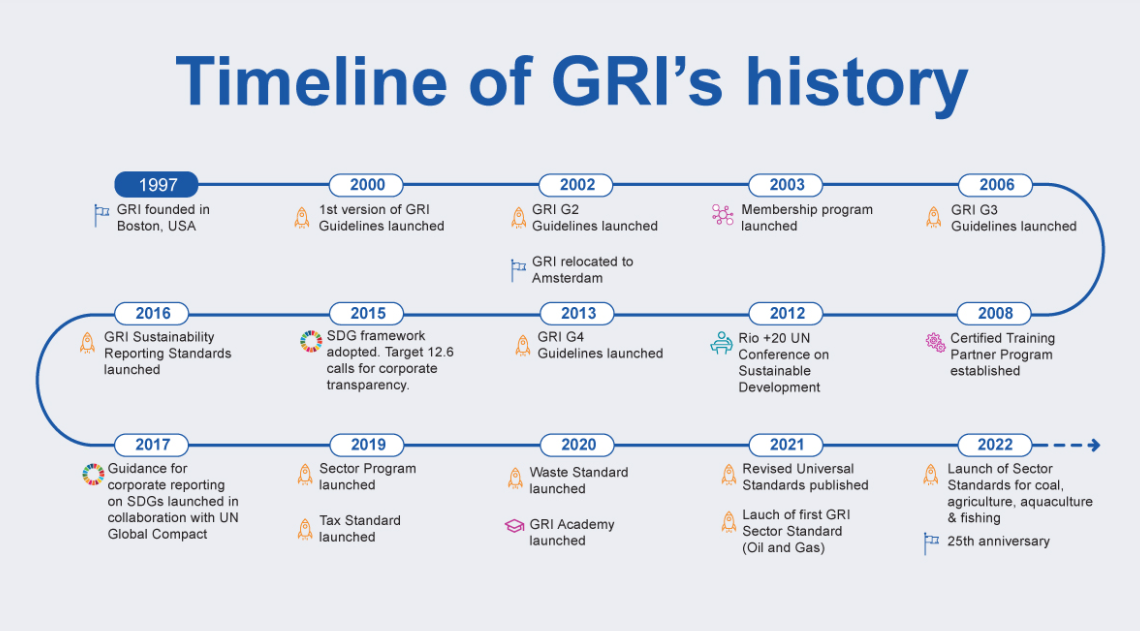
GRI (Global Reporting Initiative) is the independent, international organization that helps businesses and other organizations take responsibility for their impacts, by providing them with the global common language to communicate those impacts. It provides the world’s most widely used standards for sustainability reporting – the GRI Standards.

During the week of 5/9th of September, the fourth edition of the "Sustainability week" organised by the Italian Stock Exchange took place, with the participation of the major investment funds, advisors and corporate companies engaged today in investment processes to facilitate the transition towards a sustainable economy.
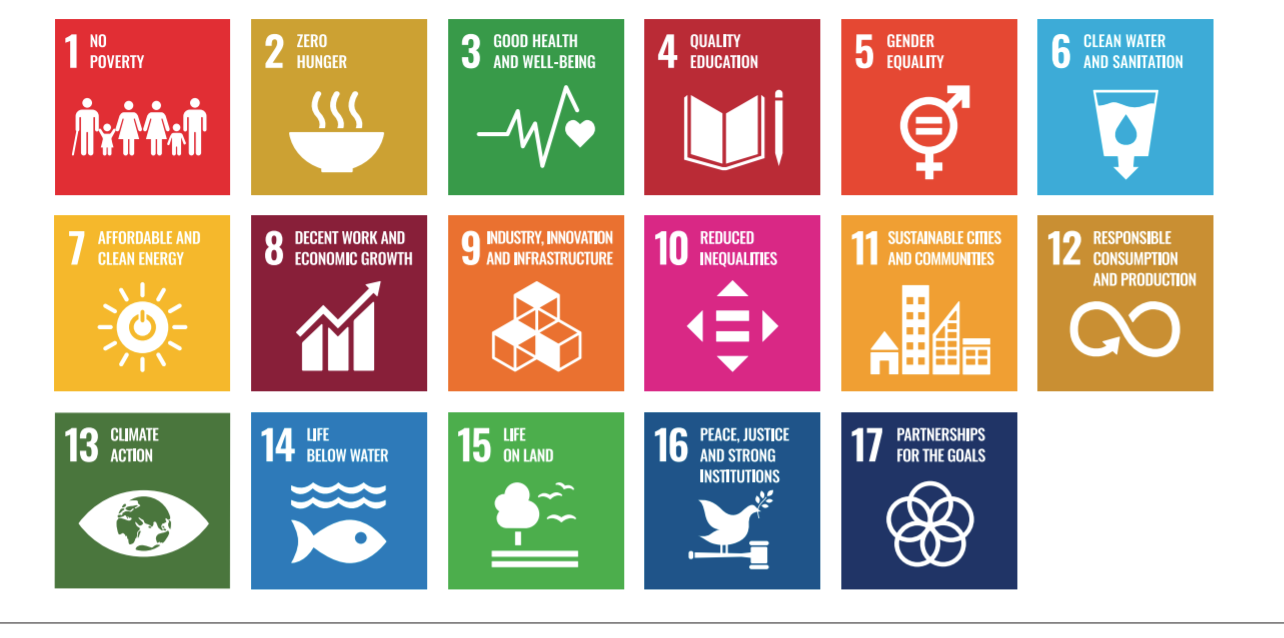
The 2030 Agenda for Sustainable Development, adopted by all United Nations Member States in 2015, provides a shared blueprint for peace and prosperity for people and the planet, now and into the future. At its heart are the 17 Sustainable Development Goals (SDGs), which are an urgent call for action by all countries - developed and developing - in a global partnership.
If the beginning of the year 2022 has brought great innovations in the development of legislative issues concerning the financial disclosure envisaged by many companies in the process of due diligence in the area of sustainability, this is largely due to the European Union's proposal concerning the 'Corporate sustainability due diligence directive', CSDD for short, published last February 2022.

The Sustainability reporting, introduced for European companies with the EU Directive 95/2014, represents to date in the international reporting landscape, the starting point of a continuously evolving path that aims to meet numerous challenges, first and foremost the integrated management of non-financial information, structured in a framework that can be as comprehensive as possible, to be placed alongside classic financial reporting.

The scope of European Union legislation, in the field of accelerating and harmonizing rules on sustainable finance, has expanded considerably in the past few years and is gradually broadening.

The state of the art of European legislation aimed at defining the legislative framework for sustainable investment is certainly the most advanced and defined in the global landscape at present.